


Glutathione vs. NAC vs. Precursors: Ways to Support Levels
There is more than one way to raise your glutathione levels. You can take the finished molecule, or you can hand your body the raw materials and let it build its own. The best known precursor is NAC, often paired with glycine. Both routes work, they work through different mechanisms, and the right one for you comes down to what you want out of it. Here is how each approach works and what the research shows for both.
This article is educational and is not medical advice. These statements have not been evaluated by the Food and Drug Administration. This product is not intended to diagnose, treat, cure, or prevent any disease. If you are managing a health condition or taking medication, talk with your healthcare provider before starting any supplement.
Two Different Strategies
There are fundamentally two ways to support glutathione levels:
Direct supplementation: take glutathione itself, in a form built to survive digestion.
Precursor supplementation: take the amino acids your body draws on to make glutathione itself.
They arrive at the same destination by different roads. If you want the groundwork first, start with our full breakdown of what glutathione is and what it does.
The Direct Approach: Supplementing Glutathione
Taking glutathione directly is the shortest path. You are supplying the finished tripeptide rather than asking your body to assemble it from three separate amino acids.
The research here is solid. In a six-month randomized controlled trial, 54 healthy adults took either 250 or 1,000 milligrams of glutathione daily, and researchers measured increases across plasma, red blood cells, lymphocytes, and buccal cells. The gains tracked with both dose and duration, which tells you something useful: this is a supplement that builds stores over months, not one that spikes levels in a day.
Form still matters, because glutathione has to get through the digestive tract before any of that happens. Liposomal and phytosome formulations both use phospholipids to protect the molecule on the way through.
Human studies of liposomal glutathione have measured increases in whole blood, plasma, red blood cells, and immune cells after daily oral dosing.
We go through what happens to glutathione between the capsule and your bloodstream in its own article.
The Precursor Approach: NAC and Glycine
The alternative is to give your body the ingredients it uses to make glutathione.
Glutathione is built from three amino acids: cysteine, glycine, and glutamate. Cysteine is the one that runs short first, which makes it the rate-limiting ingredient in how much glutathione your body can produce.
That is the gap NAC fills. N-acetylcysteine delivers cysteine in a stable, absorbable form your body can pull from during glutathione synthesis.
NAC’s relationship with glutathione is well established. Hospitals use it to restore glutathione in the liver, which is the clearest demonstration there is that supplying cysteine drives glutathione production. We go further into that connection in our look at how glutathione supports the liver’s detox pathways.
Another option is to combine NAC with glycine. This pairing is commonly referred to as GlyNAC. Supplying both glycine and a source of cysteine gives the body two of the three amino acids needed to produce glutathione.
What the Evidence Shows About Precursors
The precursor evidence is strongest in older adults and in people under elevated oxidative stress, which is exactly where glutathione tends to run low.
Studies of GlyNAC supplementation in older adults have reported improvements in glutathione deficiency, oxidative stress, mitochondrial function, inflammation, insulin sensitivity, physical function, and other measures related to healthy aging.
Another randomized controlled trial found that GlyNAC may increase glutathione levels in older adults with higher glutathione demand.
The logic holds up. Supply the nutrients that glutathione synthesis consumes, and the body keeps its own production running.
That makes precursors a strong option for anyone who would rather support their own synthesis than supplement the finished molecule.
How to Choose Between Them
Both approaches can support glutathione levels, but they work differently.
Direct glutathione is the choice if you want the finished molecule with no assembly required. Consistent oral supplementation raises levels, and absorption-focused forms such as liposomal and phytosome are built to get more of each dose through.
Precursors such as NAC, glycine, or GlyNAC are the choice if you would rather feed your own production line than supplement the output.
The practical difference is where the work happens. Direct glutathione arrives assembled. Precursors rely on your body to run the synthesis, which is a strength if that machinery is working well and a consideration if it is under strain.
Age, nutritional status, and what you are supporting all factor in, and the two approaches are not mutually exclusive. Plenty of people run direct glutathione and precursor nutrients side by side in the same routine.
If You Choose Direct Supplementation
If you go direct, the form is the decision that matters. We put the three delivery systems side by side and break down what separates them.
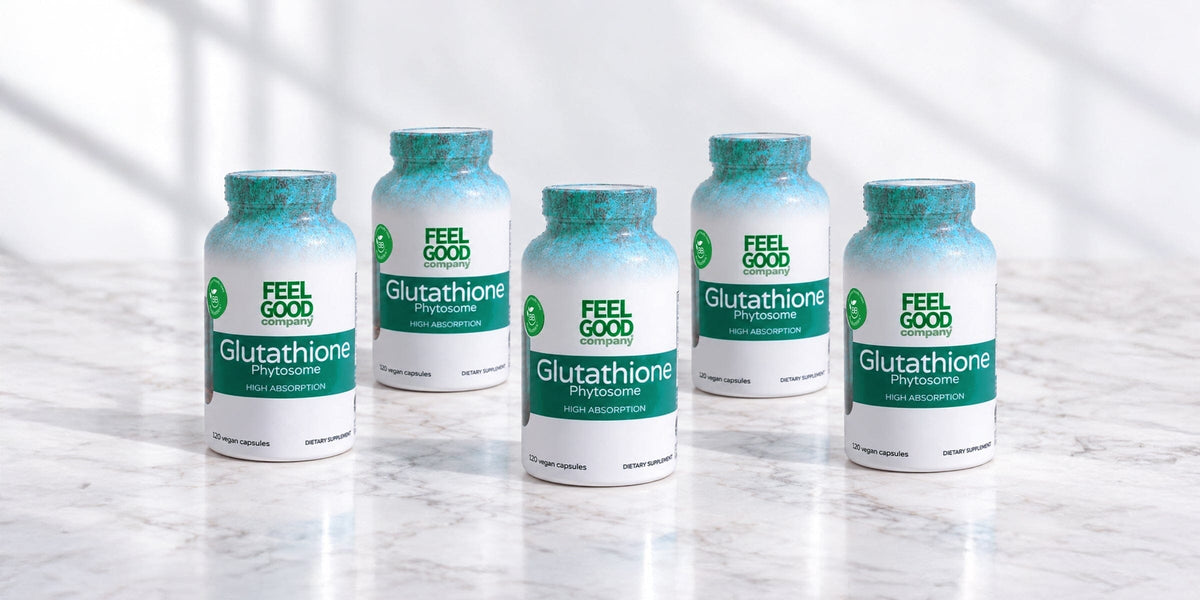
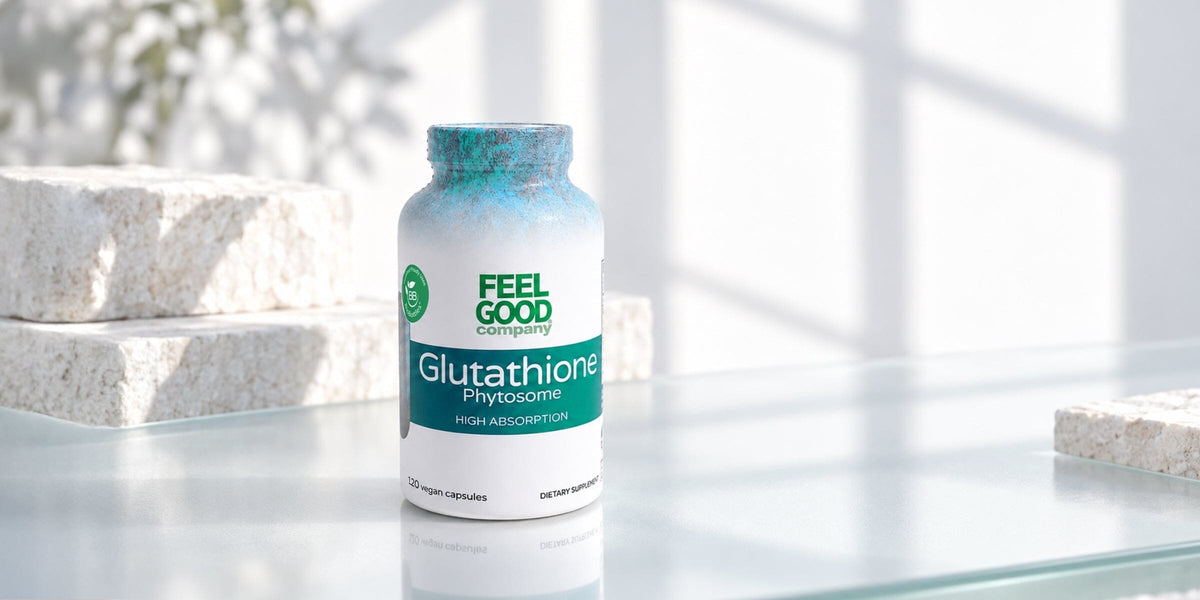
Our Glutathione Phytosome pairs glutathione with a phospholipid complex, so the molecule travels with its own delivery system built in.
You get the complete molecule and the absorption support in one capsule, which is the straightforward option if you would rather not rely on your body to assemble glutathione from separate precursors.
The Bottom Line
There are two established ways to support glutathione levels: take glutathione directly or provide the precursors the body uses to produce it.
Direct oral glutathione is the shortest route, and six months of clinical data backs consistent supplementation raising levels throughout the body. Phospholipid-based delivery is what gets more of each dose there.
Precursors such as NAC and glycine are the other well-supported route, supplying the building blocks your own synthesis depends on.
Our Glutathione Phytosome is built for the direct route: the complete molecule, with phospholipid delivery, in a capsule you can take every day.
This article is for educational purposes only and is not a substitute for professional medical advice. These statements have not been evaluated by the Food and Drug Administration. This product is not intended to diagnose, treat, cure, or prevent any disease. Consult your healthcare provider before beginning any new supplement, particularly if you are taking medication or managing a health condition.

Leave a comment
This site is protected by hCaptcha and the hCaptcha Privacy Policy and Terms of Service apply.