

Glutathione for Liver Health and Detoxification
“Detox” gets thrown around loosely in wellness, but the real thing is ordinary biochemistry running in your liver every hour of the day, and glutathione sits at the center of it. It shields liver cells from the oxidative stress that liver metabolism itself generates, and it is a direct participant in the chemistry the body uses to process and clear certain compounds. Here is what that actually looks like at the cellular level, and what the research shows about supplementation.
This article is educational and is not medical advice. These statements have not been evaluated by the Food and Drug Administration. This product is not intended to diagnose, treat, cure, or prevent any disease. Glutathione is not a treatment for liver disease. If you have any liver condition or concern, work with a qualified healthcare provider.
What “Detoxification” Actually Means
Detoxification is a continuous biological process carried out mainly by the liver and kidneys. These organs chemically transform substances so they can be safely processed and eliminated from the body.
The liver does most of that work, and it runs on glutathione to do it. Keeping glutathione levels healthy is what keeps those antioxidant defenses and detoxification pathways stocked.
Our full breakdown of what glutathione is and what it does covers the groundwork.
Glutathione’s Genuine Role in the Liver
Glutathione does two distinct jobs in the liver, and both are settled biology.
First, as an antioxidant, glutathione helps neutralize reactive molecules generated during the liver’s normal metabolic activity. This helps protect liver cells from oxidative stress.
Second, glutathione is a key participant in Phase II detoxification. During this process, enzymes called glutathione S-transferases attach glutathione to certain reactive compounds. This process, known as conjugation, can make those substances more water-soluble and easier for the body to eliminate through bile or urine.
The clearest real-world demonstration of this role involves acetaminophen, also known as paracetamol. When the liver processes acetaminophen, it produces a reactive byproduct that glutathione normally helps neutralize.
In an overdose, glutathione stores can become depleted, increasing the risk of liver injury. The hospital antidote, N-acetylcysteine, helps restore glutathione availability and has been shown to reduce the extent of liver injury following an acetaminophen overdose.
That is the clearest evidence there is for how central glutathione is to the liver’s protective chemistry. We compare taking glutathione directly against supplying the precursors your body builds it from.
What the Research Shows for Supplementation
Supplementation has been studied directly for liver-related antioxidant support.
A pilot study examined oral glutathione supplementation in people with non-alcoholic fatty liver disease. Participants received 300 milligrams of glutathione daily for four months, along with guidance on lifestyle changes.
Researchers reported a significant improvement in alanine aminotransferase, or ALT, a commonly measured liver enzyme. Some participants also experienced reductions in other liver and metabolic markers. The researchers concluded that oral glutathione supported hepatic metabolism and showed potential for improving markers associated with liver health.
That result lines up with the biology. Glutathione is already doing antioxidant and conjugation work in the liver, so keeping its levels stocked supports the systems the liver depends on every day.
Glutathione is not intended to treat a diagnosed liver condition, but supplementation can provide nutritional support for the antioxidant and detoxification pathways the liver naturally uses.
The Connection That Matters
The relationship between glutathione and liver health can be stated plainly:
Glutathione is essential to the liver’s normal antioxidant defenses and detoxification chemistry.
Glutathione S-transferase enzymes use it to help process certain reactive compounds and metabolic byproducts.
Maintaining healthy glutathione levels supports the liver’s ability to manage oxidative stress.
Oral supplementation has been studied against liver-related markers, with measurable results.
Your liver’s detoxification processes run continuously. Glutathione supports the cellular systems that allow those processes to function efficiently.
If You Are Considering Glutathione
If you are after general antioxidant, cellular, and liver support, glutathione is a sound place to put your money.
Absorption decides how much of it gets there, which we cover in what happens to glutathione between the capsule and your bloodstream.
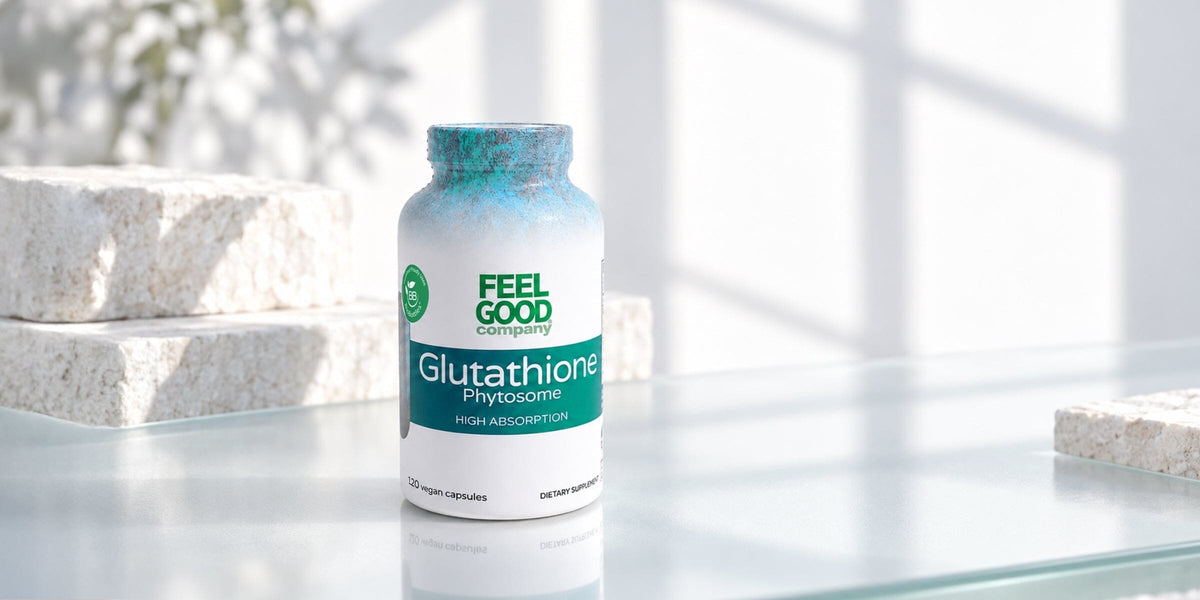
Our Glutathione Phytosome pairs glutathione with sunflower-derived phospholipids, so the delivery system travels with the molecule rather than being something the capsule leaves to chance.
It also includes Milk Thistle Phytosome, putting two of the most established antioxidant and liver support ingredients in the same capsule, both using the same phospholipid delivery.
Supplementation does its best work inside a routine that is already pointed the right way: sensible alcohol intake, a healthy weight, a nutrient-dense diet, and medications taken as directed.
The Bottom Line
Glutathione has a real and well-documented role in liver detoxification.
It helps protect liver cells from oxidative stress and works directly with enzymes involved in processing and eliminating certain reactive compounds. Its importance is clear enough that restoring glutathione availability is a central part of the medical response to acetaminophen overdose.
Research on oral supplementation has measured improvements in liver-related markers as well. Our Glutathione Phytosome is built to get glutathione where it needs to go, supporting healthy antioxidant levels, normal liver function, and the body’s own detoxification pathways.
This article is for educational purposes only and is not a substitute for professional medical advice. Glutathione is not a treatment for liver disease or any medical condition. These statements have not been evaluated by the Food and Drug Administration. This product is not intended to diagnose, treat, cure, or prevent any disease. Consult your healthcare provider for any liver concern, particularly if you take medication or have a diagnosed condition.


Leave a comment
This site is protected by hCaptcha and the hCaptcha Privacy Policy and Terms of Service apply.