


Does Oral Glutathione Actually Work? The Absorption Question
This is the question that should come before any other when considering a glutathione supplement. Glutathione is genuinely important inside the body, but a supplement still needs to make it through digestion before the body can use it.
The answer is yes, and there is a six-month randomized controlled trial behind it. That same research is why phospholipid delivery systems, liposomal and phytosome, became a standard part of how glutathione is formulated.
Here is what the studies measured, why absorption is the variable that matters most, and what phospholipid delivery actually does about it.
This article is educational and is not medical advice. These statements have not been evaluated by the Food and Drug Administration. This product is not intended to diagnose, treat, cure, or prevent any disease. If you are managing a health condition or taking medication, talk with your healthcare provider before starting any supplement.
Why Absorption Is an Important Question
It seems intuitive that swallowing glutathione would raise your glutathione levels, but the digestive process adds another step.
Glutathione is made from three amino acids: cysteine, glycine, and glutamic acid. Like other compounds consumed orally, it must pass through the digestive system before it can contribute to glutathione stores throughout the body.
That is why the delivery method carries so much weight here. A glutathione supplement is not just the ingredient on the label. It is the ingredient plus whatever gets it through the gut intact.
Our full breakdown of what glutathione is and what it does covers the biology behind all of this.
What the Research Found
One of the most important studies on oral glutathione was a 2015 randomized controlled trial from Penn State: a six-month randomized, double-blind, placebo-controlled trial.
The study included 54 healthy, non-smoking adults. Participants received a placebo, 250 milligrams of glutathione per day, or 1,000 milligrams per day.
After six months, glutathione levels had increased across several areas of the body. In the higher-dose group, researchers reported increases of approximately:
● 30 to 35 percent in red blood cells, plasma, and lymphocytes
● 260 percent in cells from the inside of the cheek
The researchers concluded that daily oral glutathione supplementation was effective at increasing glutathione stores in multiple areas of the body.
That is the finding that settles the question. Oral glutathione does not just pass through. Taken daily, it raises the stores your body actually draws on.
Consistency Matters
The six-month study also helps explain why consistency is an important part of glutathione supplementation.
Glutathione is part of a system that runs continuously, so the goal is a steady supply rather than a single spike.
Researchers measured participants at one, three, and six months, and the largest increases came after sustained daily use. Glutathione rewards a routine, not an occasional capsule.
How Specialized Delivery Systems Support Absorption
Because absorption is such an important consideration, supplement formulators have developed delivery systems that combine glutathione with phospholipids.
Phospholipids are the same class of fat that builds your cell membranes. In a formulation they either enclose the active ingredient or bind to it, creating a structure that holds up through digestion.
The two terms consumers commonly encounter are liposomal and phytosome.
Liposomal Glutathione
Liposomal glutathione places glutathione within microscopic phospholipid structures called liposomes. These structures are designed to help protect the ingredient as it moves through digestion.
A human pilot study published in the European Journal of Clinical Nutrition examined daily liposomal glutathione supplementation. Researchers observed increases in glutathione after only one week, with the largest increases occurring after two weeks.
The reported maximum increases included:
● 40 percent in whole blood
● 25 percent in red blood cells
● 28 percent in plasma
● 100 percent in peripheral blood mononuclear cells
The study also reported improvements in several markers related to oxidative stress and immune function.
That is direct human evidence that phospholipid delivery puts more glutathione into circulation, and faster.
Glutathione Phytosome
Phytosome delivery binds glutathione into a phospholipid complex rather than sealing it inside a vesicle. The phospholipid travels with the molecule as a single unit, which is what makes the complex stable enough to hold its structure in a capsule.
Liposomes and phytosomes are not the same thing, but they run on the same principle: use phospholipids to get a fragile molecule where it needs to go.
For glutathione specifically, that principle is the whole game. What you get out of a supplement depends on how much survives the trip, not on the number printed on the panel.
We put the three delivery systems side by side and break down what separates them.
What Higher Glutathione Levels Mean
Glutathione is one of the body’s central antioxidant compounds. It helps cells manage oxidative stress and maintain a healthy balance between oxidants and antioxidants.
It also participates in normal detoxification processes and supports the body’s broader antioxidant network. This includes interactions with antioxidants such as vitamins C and E.
The research settles the first question: a daily supplement can raise your glutathione stores. Phospholipid delivery is what raises how much of each dose gets there.
So, Does Oral Glutathione Work?
The research gives a clear answer: oral glutathione raises glutathione levels in the body.
A six-month randomized controlled trial found meaningful increases across multiple body compartments following daily supplementation. Research on liposomal glutathione has also shown increases in blood and cellular glutathione over a shorter period.
The evidence points to three practical factors:
● Daily use matters.
● The amount of glutathione matters.
● The delivery method matters.
Standard oral glutathione raises body stores when taken consistently. Phospholipid delivery builds on that by protecting the molecule through digestion so more of each dose arrives.
Why We Use Phytosome Delivery
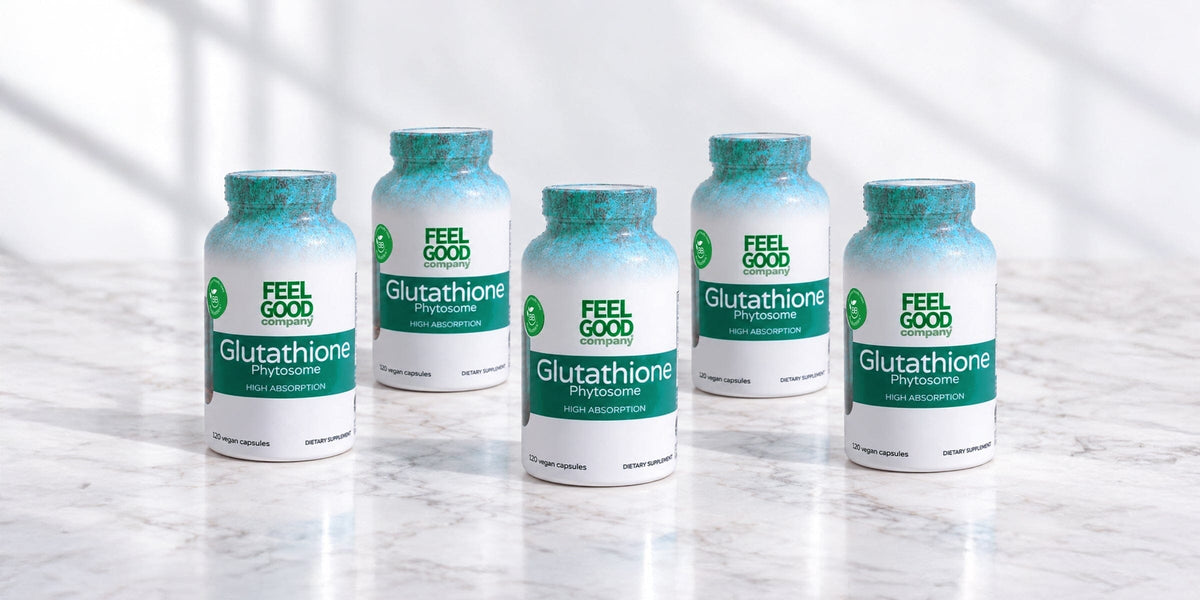
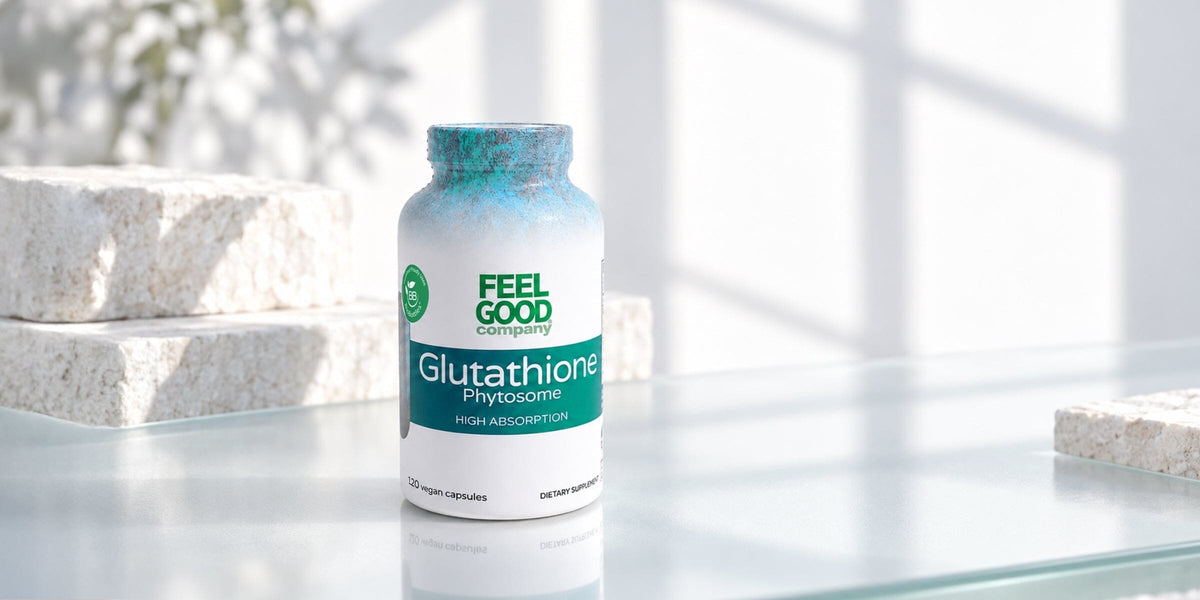
Our Glutathione Phytosome pairs glutathione with sunflower-derived phospholipids.
The phytosome complex holds its structure through digestion and carries the glutathione with it, from a soy-free phospholipid source.
That is a direct answer to the absorption question rather than a workaround for it. Instead of raising the number on the label and hoping enough survives, we built the delivery into the ingredient.
If you are choosing an oral glutathione supplement, absorption is the specification worth reading for. It is what turns a demonstrated ability to raise body stores into glutathione you actually absorb.
The same principle runs across every nutrient, which we get into in why absorption decides whether a supplement works at all.
The Bottom Line
Oral glutathione can work.
Clinical research has shown that consistent oral supplementation can increase glutathione levels in the blood, cells, and other areas of the body. Additional research on phospholipid-based liposomal delivery has demonstrated meaningful increases over a relatively short period.
Phytosome technology builds on that evidence by carrying glutathione through the digestive process intact.
Our Glutathione Phytosome uses sunflower-derived phospholipids to do exactly that, for anyone who wants their glutathione levels and antioxidant defenses well supplied.
This article is for educational purposes only and is not a substitute for professional medical advice. These statements have not been evaluated by the Food and Drug Administration. This product is not intended to diagnose, treat, cure, or prevent any disease. Consult your healthcare provider before beginning any new supplement, particularly if you are taking medication or managing a health condition.


Leave a comment
This site is protected by hCaptcha and the hCaptcha Privacy Policy and Terms of Service apply.