

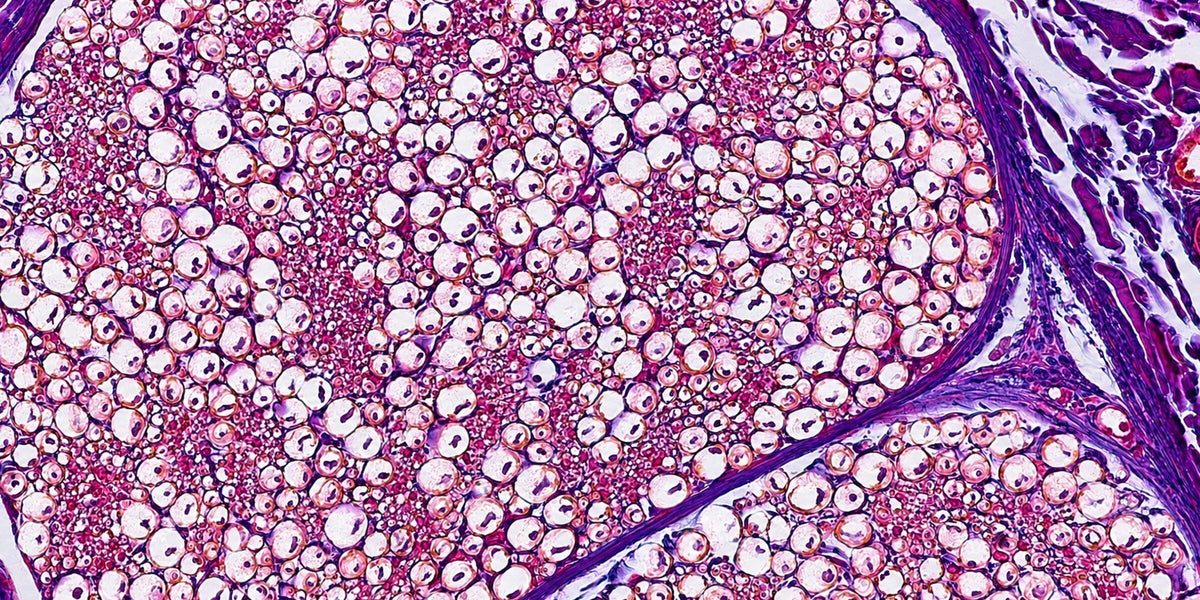
Glutathione and Healthy Aging / Oxidative Stress
Glutathione gets called an “anti-aging” supplement, and behind the label there is real cell biology. Glutathione is central to how your body handles oxidative stress, oxidative damage accumulates over a lifetime, and glutathione levels fall as people get older. Those three facts are well documented, and together they explain why researchers have spent decades studying glutathione status in older adults. Here is what that work has found.
This article is educational and is not medical advice. These statements have not been evaluated by the Food and Drug Administration. This product is not intended to diagnose, treat, cure, or prevent any disease. Glutathione is not intended to extend lifespan or reverse aging. If you have specific health concerns related to aging, talk with your healthcare provider.
The Real Connection: Oxidative Stress and Aging
To understand the connection, start with oxidative stress. Your cells constantly produce reactive molecules called free radicals as a byproduct of normal metabolism. Antioxidants, including glutathione, help neutralize them. When the balance tips toward too many reactive molecules and not enough antioxidant defense, the result is oxidative stress, which can damage cells over time.
Accumulated oxidative damage is one of the recognized drivers of the cellular changes that come with age, which puts glutathione at the center of the healthy-aging conversation. Our full breakdown of what glutathione is and what it does covers the fundamentals.
What the Research Shows
Three lines of research converge here.
Glutathione levels fall with age. Older adults consistently show lower glutathione concentrations and a more pro-oxidizing cellular balance than younger adults do.
That decline is reversible. A study on glutathione synthesis in aging found elderly participants carrying markedly lower glutathione levels, and supplying cysteine and glycine, the two amino acids their synthesis was short on, restored glutathione production toward the levels seen in younger adults while significantly lowering oxidative stress markers.
The follow-on work went further. Supporting glutathione production in older adults produced improvements across oxidative stress, mitochondrial function, inflammation, insulin sensitivity, physical function, and body composition.
That is a wide spread of outcomes tracing back to a single upstream variable, which is what makes glutathione status worth paying attention to as you age.
Direct supplementation holds up too. In a six-month randomized controlled trial, daily oral glutathione raised levels across blood and cells, which is the practical proof that you can move this number with a capsule.
The Healthy-Aging Connection
The chain is short and each link is documented: glutathione is a central antioxidant, its levels decline with age, and restoring them lowers oxidative stress.
Keeping glutathione levels up supports:
● The body’s defenses against oxidative stress
● Healthy mitochondrial function
● Normal immune function
● Cellular resilience
● The body’s natural detoxification processes
● Healthy antioxidant balance
That earns glutathione a place in a healthy-aging routine built around protecting cells and keeping your own defenses stocked.
You can get there two ways: supply cysteine and glycine and let your body build its own, or take the finished molecule. We put the direct and precursor routes side by side.
If You Are Considering Glutathione for Healthy Aging
If you want antioxidant support as part of how you age, glutathione has the research behind it.
Absorption decides how much of it reaches you, which we cover in what happens to glutathione between the capsule and your bloodstream.
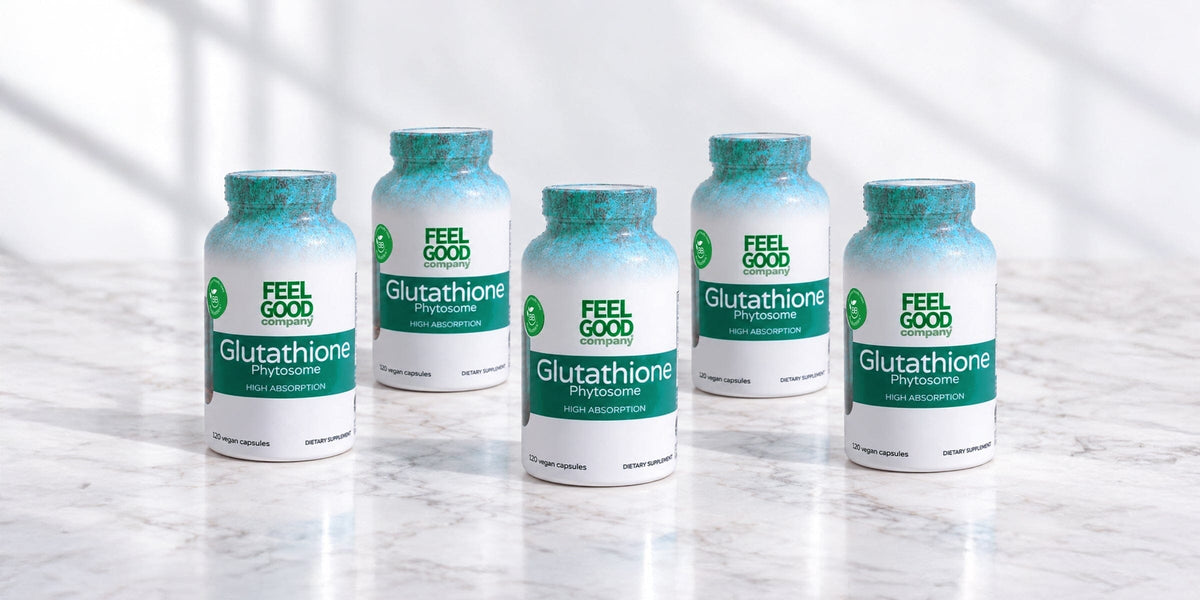
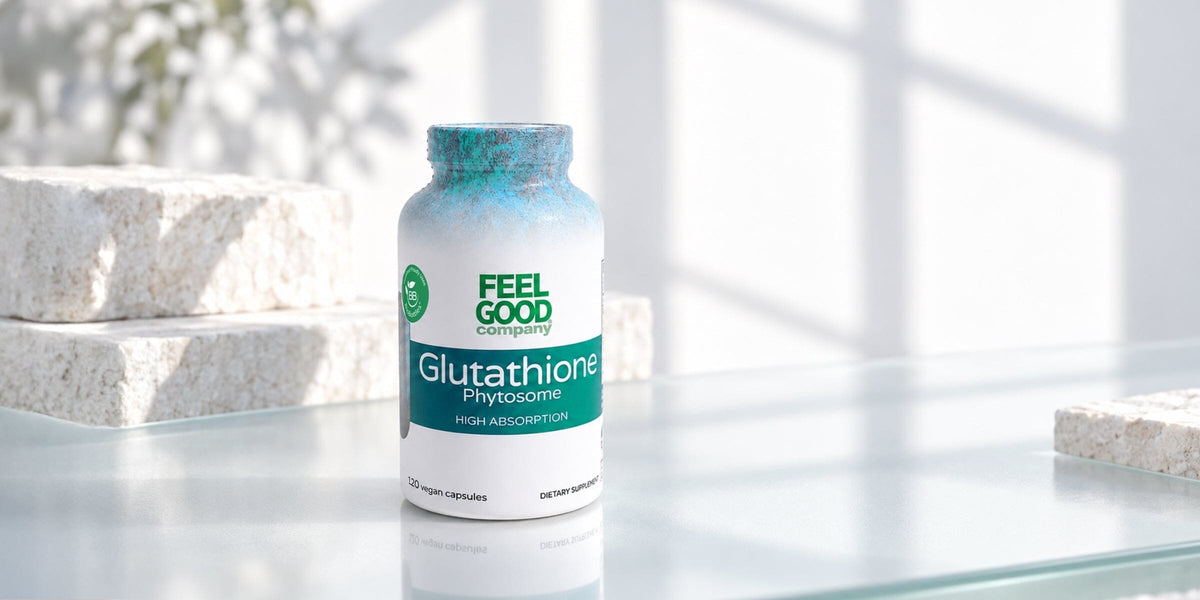
Our Glutathione Phytosome uses a phospholipid complex to get more of each dose through digestion, so the glutathione you pay for is glutathione you absorb.
It does its best work alongside the rest of it: regular movement, real sleep, a nutrient-dense diet, no smoking, and sensible alcohol intake. Those habits feed your own glutathione system too.
The Bottom Line
The link between glutathione, oxidative stress, and healthy aging is well documented.
Glutathione is a central antioxidant, its levels decline with age, and restoring glutathione status has been shown to lower oxidative stress markers and improve measures of mitochondrial function, physical function, and cellular health.
Consistent oral supplementation raises glutathione levels throughout the body. Our Glutathione Phytosome pairs glutathione with a phospholipid delivery system built for absorption, for anyone who wants antioxidant defenses working in their favor over the long run.
This article is for educational purposes only and is not a substitute for professional medical advice. Glutathione is not intended to extend lifespan or reverse aging. These statements have not been evaluated by the Food and Drug Administration. This product is not intended to diagnose, treat, cure, or prevent any disease. Consult your healthcare provider before beginning any new supplement, particularly if you are taking medication or managing a health condition.


Leave a comment
This site is protected by hCaptcha and the hCaptcha Privacy Policy and Terms of Service apply.