

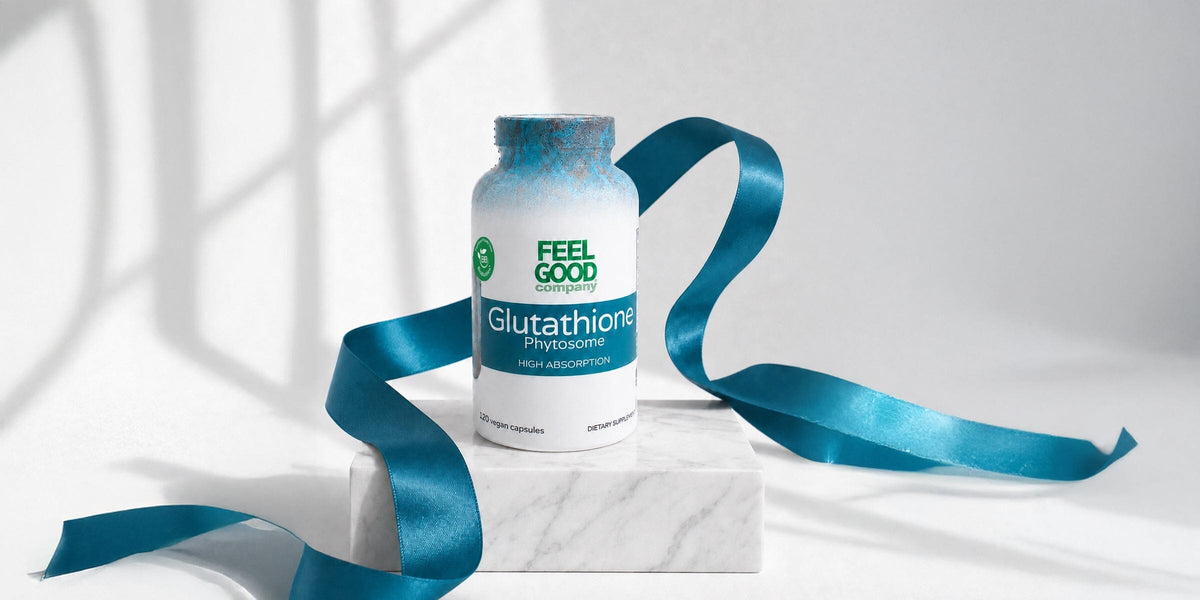
The Complete Guide to Glutathione: The Body's Master Antioxidant Explained
Glutathione has earned a big reputation, often called the body's "master antioxidant," and it has become a popular supplement for everything from skin to detox to healthy aging. That reputation is well earned. Glutathione is one of the most important antioxidants your body makes, and it is at work in nearly every cell you have. What the supplement conversation tends to skip is how much the delivery form matters, because the form determines how much of what you swallow actually reaches your cells. This guide covers what glutathione is, what it does, what the clinical research shows about taking it orally, and how to choose a form.
This article is educational and is not medical advice. These statements have not been evaluated by the Food and Drug Administration. This product is not intended to diagnose, treat, cure, or prevent any disease. If you are managing a health condition or taking medication, talk with your healthcare provider before starting any supplement.
What Glutathione Is
Glutathione is a molecule your body produces naturally, made from three amino acids: cysteine, glutamate, and glycine. It is found in virtually every cell, which is part of why it is described as the master antioxidant. Rather than being something exotic, it is a fundamental part of your cells' own machinery for managing oxidative stress.
Its "master" status comes from both how widespread it is and the central role it plays in the body's antioxidant defenses, including helping to regenerate other antioxidants like vitamins C and E. For the broader picture of what antioxidants do, our existing overview of what antioxidants are is a useful starting point.
What Glutathione Does
Glutathione is involved in several important processes:
● Antioxidant defense. It helps neutralize reactive molecules called free radicals, protecting cells from a type of damage known as oxidative stress.
● Detoxification. It plays a documented role in the liver's normal detoxification pathways, helping the body process and eliminate certain compounds. This is real biology, and it is worth separating from the vague "detox cleanse" marketing it often gets lumped in with. We go deeper on how glutathione supports the liver's everyday detox work.
● Immune and cellular support. It contributes to normal immune function and helps maintain the redox balance inside cells.
Glutathione levels also tend to decline with age and can be drawn down by various stresses on the body, which is a large part of the interest in supporting them. We look more closely at why glutathione falls off over time and what that means for oxidative stress.
The Big Question: Does Oral Glutathione Actually Work?
Clinical research shows that oral glutathione can increase glutathione levels in the body.
In a six-month randomized, double-blind, placebo-controlled trial, 54 healthy adults received either 250 or 1,000 milligrams of glutathione per day. Daily supplementation increased glutathione levels in several areas of the body, including plasma, red blood cells, lymphocytes, and cells from inside the cheek. Researchers concluded that oral glutathione was effective at increasing glutathione stores in multiple body compartments.
Research on liposomal glutathione has also produced encouraging results. In a one-month human study, glutathione levels increased after one week of supplementation. Maximum reported increases included 40 percent in whole blood, 25 percent in red blood cells, 28 percent in plasma, and 100 percent in peripheral blood mononuclear cells. The study also reported improvements in markers of oxidative stress.
Together, these studies support oral glutathione as a practical way to raise the body's glutathione levels, and they show why consistency and delivery form both matter. For the full picture, we break down what happens to glutathione once it hits the digestive tract.
Forms and Delivery Methods
Delivery form does more work with glutathione than with most supplements, because the molecule has to survive digestion before your cells can use it:
● Standard (unformulated) glutathione is the most common and least expensive form. It is also the form used in the six-month trial above, where daily dosing raised glutathione stores across multiple body compartments.
● Liposomal glutathione wraps the molecule in a phospholipid shell that shields it through digestion. In human studies, blood glutathione rose within the first week of daily use.
● Phytosome glutathione takes a similar approach, binding the compound to phospholipids so more of it survives to be absorbed.
● Precursor approaches skip glutathione itself and instead supply the building blocks, such as NAC, that the body uses to make its own.
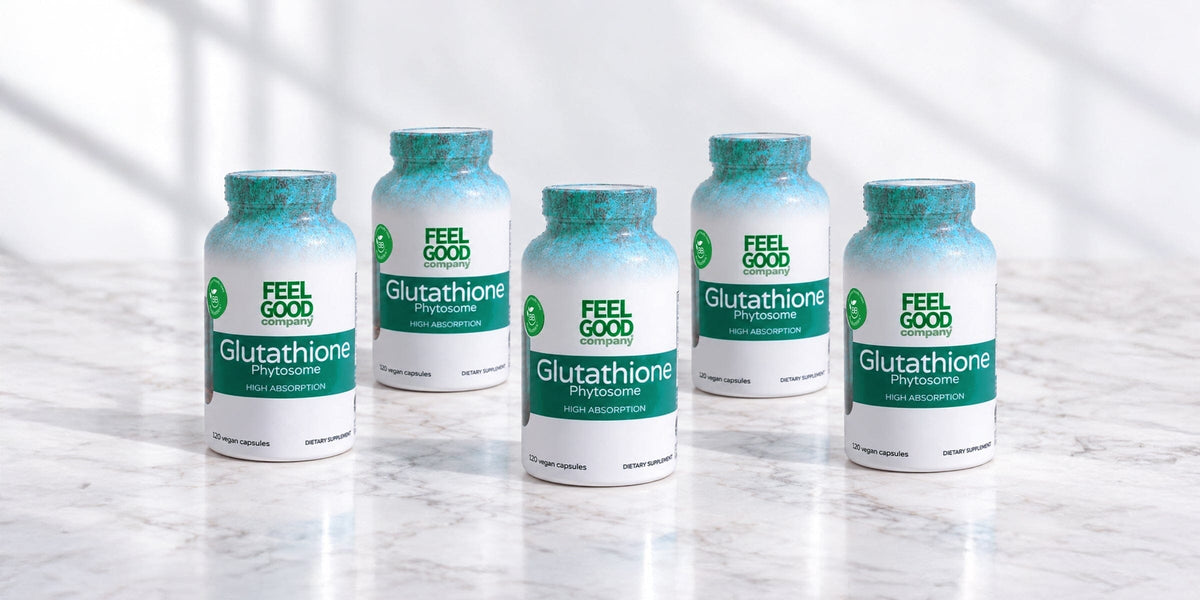
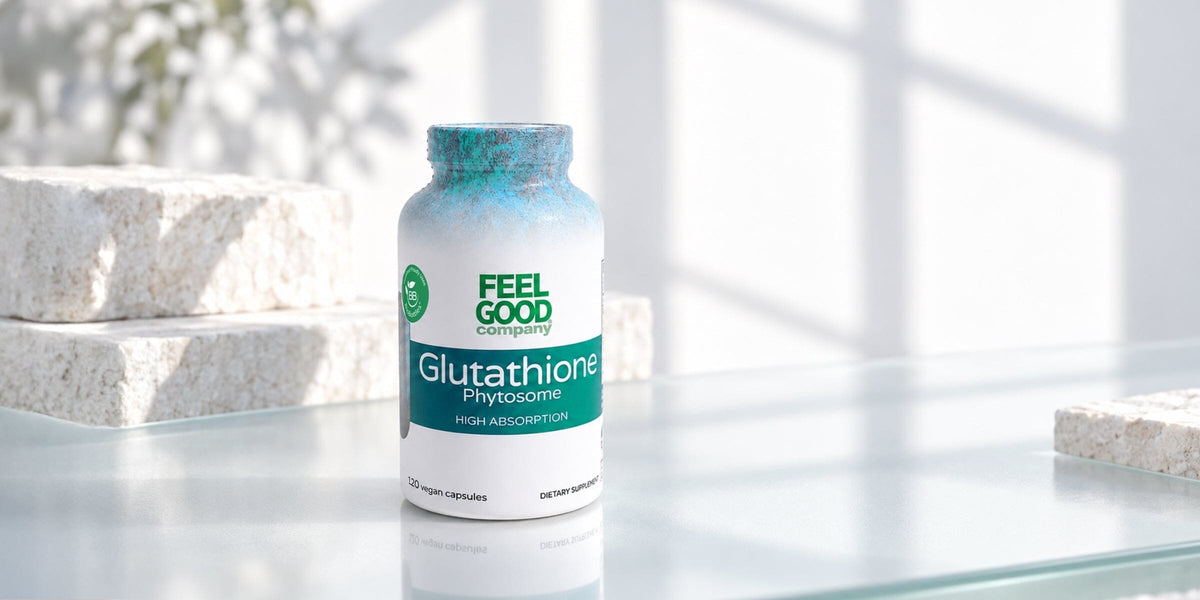
We put the delivery systems side by side in how phytosome and liposomal forms compare with standard glutathione, and weigh direct supplementation against supplying the precursors your body uses to build its own. Our Glutathione Phytosome is built on that phospholipid delivery approach.
What People Take It For
The most common reasons people turn to glutathione are skin, liver and detoxification support, immune and antioxidant support, and healthy aging. All of them trace back to the same underlying role, which is that glutathione is central to how cells handle oxidative stress. Skin draws the most attention of the four, and we cover what clinical studies have actually measured on glutathione and skin in its own article.
Safety
Glutathione is well tolerated in healthy adults at typical supplemental doses. In the six-month trial described above, researchers reported that both the 250 and 1,000 milligram doses were well tolerated across the full study period. As with any supplement, anyone who is pregnant, nursing, managing a health condition, or taking medication should talk with a healthcare provider before starting.
The Bottom Line
Glutathione is one of the body's most important antioxidants, with established roles in oxidative defense, detoxification, and cellular health. Clinical research supports oral supplementation as a way to raise your body's stores, and it points to the two things that decide how much you get out of it: the delivery form you choose and whether you take it consistently. Get those two right and the supplement does the work the master-antioxidant headline promises.
This article is for educational purposes only and is not a substitute for professional medical advice. These statements have not been evaluated by the Food and Drug Administration. This product is not intended to diagnose, treat, cure, or prevent any disease. Consult your healthcare provider before beginning any new supplement, particularly if you are pregnant, nursing, taking medication, or managing a health condition.


Leave a comment
This site is protected by hCaptcha and the hCaptcha Privacy Policy and Terms of Service apply.