

Creatine & Brain Health: What the Cognitive Research Actually Shows
Creatine is best known for muscle, but a growing wave of interest focuses on the brain. The idea is appealing: if creatine helps fuel energy-hungry muscle cells, could it do something similar for an energy-hungry brain? It is a reasonable question with a genuinely interesting mechanism behind it. It is also an area where the marketing has run well ahead of the science. This article lays out what the research actually shows, what it does not, and why honesty matters more here than in almost any other creatine topic.
This article is educational and is not medical advice, and it does not describe a treatment for any cognitive or mental health condition. These statements have not been evaluated by the Food and Drug Administration. This product is not intended to diagnose, treat, cure, or prevent any disease. If you have concerns about memory, mood, or cognition, talk with a qualified healthcare provider rather than relying on a supplement.
Why the Brain Connection Is Plausible
The brain is one of the most metabolically demanding organs in the body, and creatine plays a real role in cellular energy. The same phosphocreatine system that helps regenerate energy in muscle also operates in the brain. That gives a clear theoretical reason to investigate whether supplementing creatine could support cognitive performance, especially when the brain is under energy strain. For the broader picture of how creatine works throughout the body, our complete guide to creatine covers the fundamentals.
A plausible mechanism is a starting point for research, not proof of benefit. The important question is what happens when this idea is actually tested in people.
What the Research Shows, Honestly
This is where it is essential to be careful, because the evidence is genuinely mixed.
The Encouraging Signals
Some research points to modest benefits in specific situations. A systematic review and meta-analysis on memory found a small overall improvement in memory measures, with a notably larger effect in older adults than in younger people. Separately, the most consistent signals tend to appear when the brain is under stress, such as during sleep deprivation, rather than in well-rested, healthy people going about a normal day. A single-dose study during sleep deprivation reported short-term improvements in cognitive performance under those demanding conditions.
The Significant Caveats
Now the other side, which marketing usually leaves out. A 2024 systematic review concluded that the research does not support the theoretical basis for a broad effect of creatine on cognition, and called for better-designed studies. Benefits to general cognitive function and executive function in healthy people have been inconsistent across studies. Many trials did not even measure whether creatine actually reached the brain, which limits what can be concluded. And the meta-analyses showing positive memory effects have themselves drawn published critiques over their methods.
Perhaps most tellingly, when European food-safety regulators evaluated a proposed health claim linking creatine to improved cognitive function, the evidence was not considered sufficient to authorize that claim. That is a meaningful signal about where the science currently stands.
The Honest Summary
Creatine and brain health is an area of legitimate scientific interest with a sound mechanism and some encouraging early findings, particularly in older adults and under conditions of metabolic stress. But broad cognitive benefit in healthy people is not established, and creatine should not be thought of as a proven brain or memory supplement. Promising is the right word. Proven is not.
Where This Leaves Older Adults
The one population where the cognitive signal appears somewhat more consistently is older adults, which fits with the broader case for creatine later in life. That said, the muscle and strength evidence for older adults is far stronger and better established than the cognitive evidence. If you are considering creatine as you age, the well-supported reasons relate to muscle and strength, covered in our guide to creatine for adults over 50, with any cognitive effect best viewed as an unproven possibility rather than a reason to start.
A Note on Mood and Mental Health
You may encounter research exploring creatine in the context of mood or depression. This is an active area of clinical study, but it is firmly medical territory. Creatine is not a treatment for depression or any mental health condition, and anyone dealing with those concerns should work with a qualified healthcare professional rather than turning to a supplement on their own.
So Should You Take Creatine for Your Brain?
The sensible position is this. If you are taking creatine for its well-established benefits to muscle and strength, any potential cognitive upside is a possible bonus, not something to count on. Choosing to take creatine solely for brain benefits, expecting a noticeable cognitive boost, is not supported by the current evidence in healthy people.
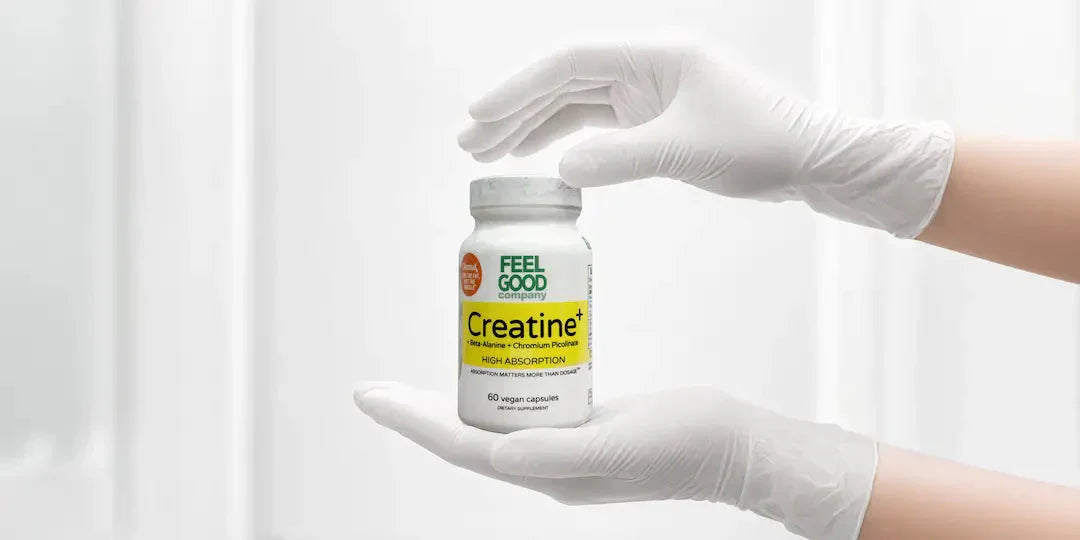
If you do take creatine, the practical guidance is the same as always: a steady daily dose and, above all, consistency. As one example, FEELGOOD Company's Creatine HCl capsules provide a simple daily serving in two capsules, which makes consistent daily use easy, though it is worth being clear that this is a performance-focused product and not a cognitive treatment.
The Bottom Line
The link between creatine and brain health rests on a real mechanism and some promising early research, with the clearest signals in older adults and under metabolic stress like sleep deprivation. But the evidence for broad cognitive benefit in healthy people remains mixed and inconclusive, regulators have not accepted a cognition claim, and creatine is not a proven brain supplement. Take it for the reasons the science strongly supports, primarily muscle and strength, and treat any cognitive benefit as an interesting possibility that future research may or may not confirm.
This article is for educational purposes only and is not a substitute for professional medical advice. It does not describe a treatment for any cognitive, neurological, or mental health condition. These statements have not been evaluated by the Food and Drug Administration. This product is not intended to diagnose, treat, cure, or prevent any disease. Consult your healthcare provider before beginning any new supplement, particularly if you are taking medication, managing a health condition, or have concerns about memory, mood, or cognition.




Leave a comment
This site is protected by hCaptcha and the hCaptcha Privacy Policy and Terms of Service apply.