


Performance Nutrition Supplements: Evidence, Practical Use, And Who Benefits Most
Most people do not need a long supplement list to train hard, recover well, and feel consistent. They need a clear goal, a realistic plan, and a way to test what actually helps. This guide gives you an evidence-informed framework to help you decide what is worth trying, what may help, and what is mostly hype.
This is educational content, not medical advice. If you are pregnant, under 18, managing a medical condition, or taking medications, talk to a clinician before starting a new supplement routine.
What “Performance Supplements” Actually Means
Performance supplements are tools that may help you train a little better, recover a little faster, or feel a little more consistent. They are not a shortcut around training quality, sleep, or adequate nutrition.
The Goal: Better Output, Better Readiness, Better Consistency
Think in outcomes:
-
Output: You can produce more work at a given effort (more reps, higher power, faster paces).
-
Readiness: You show up feeling capable more often (fewer “flat” days).
-
Consistency: You miss fewer sessions due to fatigue, poor sleep, or recovery friction.
What Supplements Can Do Well And What They Cannot Replace
Supplements can help you:
-
Fill small gaps (like supporting magnesium levels when intake is low)
-
Support specific performance demands (like repeat high intensity efforts)
-
Reduce friction (making consistency easier)
They cannot replace:
-
Enough protein and calories for your goal
-
Sleep quality
-
A training plan that matches your recovery capacity
The 3 Questions To Ask Before You Buy Anything
What Outcome Are You Chasing
Pick one primary outcome for the next 4 to 8 weeks:
-
Stronger lifts
-
Better interval performance
-
Improved endurance efficiency
-
Better sleep and recovery consistency
-
Less reliance on caffeine for energy
What Is The Bottleneck In Your Training Or Recovery
Most bottlenecks are not “lack of supplements.” They are usually:
-
Under fueling for training
-
Inconsistent sleep
-
Too much intensity, too often
-
Dehydration, especially during longer sessions
-
Stress and poor schedule structure
Before you buy anything, try to identify your bottleneck with simple tracking: note your sleep duration, session performance notes, and perceived energy.
What Is The Smallest Change That Would Matter
If a supplement is worth trying, define success in a way you can measure:
-
“I want 1 to 2 more reps at my working sets.”
-
“I want less drop off across intervals.”
-
“I want fewer days where I feel drained and chase caffeine.”
Small wins are the point. They keep you from stacking random products without a plan.
The Evidence Filter
How To Read A Study Without Getting Misled
Before you trust a headline, check:
-
Who was studied: trained athletes, recreational adults, or beginners?
-
What outcome was tested: sprint power, time trial performance, soreness ratings, sleep metrics?
-
How long it ran: one day, four weeks, twelve weeks?
-
Dose and form: does it match what people actually take?
-
What “improvement” means: statistically significant is not always meaningful in real life?
Why Training Status Changes Results
Beginners may see quick results from training alone, which can hide or exaggerate supplement effects. Meanwhile, highly trained athletes may see smaller changes because they have already optimized their training. Many supplements show the clearest benefit for those in the middle: committed to training, but still have room to improve consistency and recovery.
Why Form, Dose, And Timing Matter More Than Most Articles Admit
Even good ingredients can underperform if the formulation of those ingredients is poorly absorbed, the dose is too low, or the timing is inconsistent. If you want a practical overview of why people respond differently, start with the basics of why not all supplements work the same and the quick breakdown of what affects supplement absorption in the body.
Evidence Tiers That Make Decision Making Easier
These tiers are not perfect, but they are useful for making decisions without overthinking.
Strong Evidence Supplements
These are commonly supported by a broad base of research and real world use:
-
Creatine (best studied overall): Useful for strength, power, and repeat efforts.
-
Caffeine: Helpful for alertness and performance, but easy to misuse.
-
Protein supplementation: Valuable when food protein intake is inconsistent.
-
Hydration support: Meaningful at all times, especially when training is long, hot, or sweat heavy.
Promising But Mixed Evidence Supplements
These can help in specific contexts:
-
Beta-alanine: Best for hard efforts lasting roughly 1 to 4 minutes and repeat high intensity work.
-
Dietary nitrates (beetroot): May improve efficiency and performance in some endurance or interval scenarios.
-
Magnesium: Can support sleep and recovery when intake is low or stress is high.
Low Evidence And Hype Driven Supplements
Common signs of hype:
-
Proprietary blends with unclear doses
-
Dramatic promises
-
Focuses on sensations rather than outcomes
-
Avoids protocol details
If the marketing is loud and the protocol is vague, it is usually not worth it–look for the evidence, trials, and science to back it up.
Who Benefits Most
Strength And Power Athletes
If your training is built around lifting heavy and repeating quality sessions, the biggest supplement “wins” usually come after you fix the basics. For many people, creatine is the first consideration, it is commonly talked about, highly studied, and broadly used. Check this out for more information, especially if you are already training consistently and want a clearer understanding of what creatine actually does and how to choose one.
Endurance And High Volume Training
Endurance performance is sensitive to fueling, hydration, and sleep. Supplements can help, but only after those factors are stable.
Team Sport And Interval Based Athletes
Repeat efforts are where smart protocols matter most. Beta-alanine is one of the more useful tools for this group when taken consistently. For those who are also just trying to stay consistent with hard training, the context of beta-alanine for preserving performance after 40 also applies.
Recreational Lifters Who Want Consistency
This group often gets the best results by reducing decision fatigue. One or two basics, consistent timing, and simple progress tracking beats a complicated stack.
Adults 40 Plus Focused On Maintaining Performance
The priority is consistency, recovery, and strength training. Supplements should reduce friction, not add complexity.
How To Match Supplements To The Job
Power And Strength Support
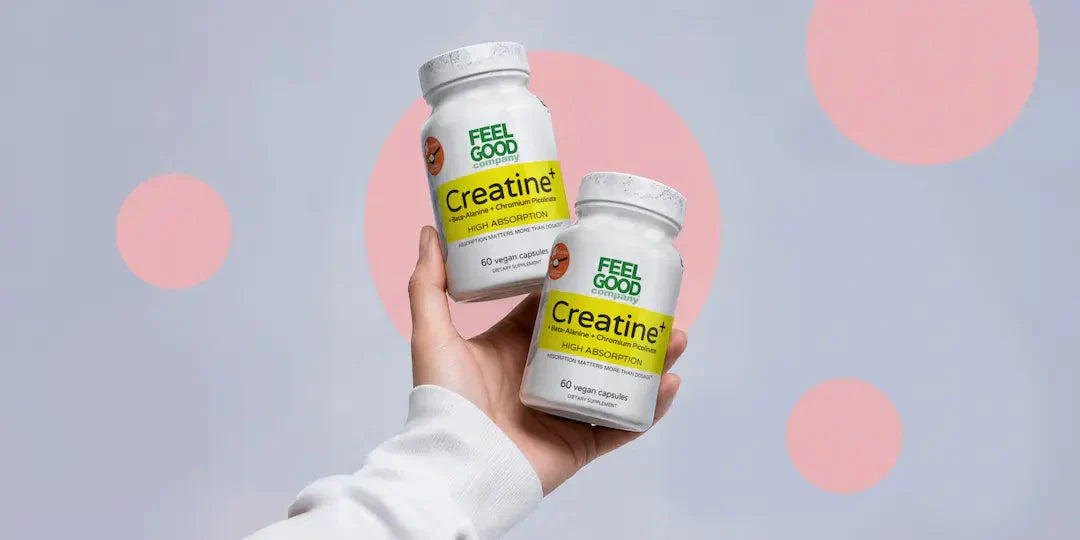
If your goal is better training output and repeatable strength sessions, creatine is often the most practical starting point. Some people prefer different formats for convenience or tolerability, which is why options like Creatine HCl capsules exist.
High Intensity Effort Support
If your training includes repeated hard intervals that burn and force you to slow down, beta-alanine can be a strong fit when used consistently. If you want a simple reference point for format and dosing structure, beta-alanine capsules are an example of a straightforward, easy-to-follow approach.
Endurance Efficiency Support
Endurance athletes tend to get the biggest return from fueling and pacing first. Nitrates can be a “maybe” around key sessions, but they are not a replacement for carbs, hydration, and sleep.
Focus And Perceived Effort Support
Caffeine can help, but it can also quietly wreck sleep and recovery. If your energy depends on caffeine daily, it may be more effective to fix the foundation first using strategies for optimizing energy without caffeine and avoiding the crash.
Hydration And Cramp Risk Context
Hydration support matters most when training in heat, training long, or sweating heavily. For many people, a combination of consistent fluids plus electrolytes on high sweat days is more impactful than another “performance blend.”
Practical Use Rules
Dosing Basics And Why More Is Not Better
More is not better. Better is:
-
The dose used in research
-
Taking consistently
-
Keeping your habits stable enough to evaluate results
Timing Basics: Daily Versus Acute Use
Two categories:
-
Daily build up supplements: Require consistency (creatine, beta-alanine)
-
Acute use supplements: Timed around training (caffeine, sometimes nitrates)
How Long To Test Before You Decide It Worked
Run a fair test:
-
Keep training consistent
-
Only change one thing (addition of a supplement)
-
Track one or two outcomes
-
Commit for at least 3 to 6 weeks for daily build up supplements
How To Avoid Changing Too Many Variables At Once
If you add a supplement and also change your program, sleep schedule, and diet, you will not know what caused the outcome. One change at a time is simpler, and it works.
Stacking Without Guesswork
What Stacks Make Sense Together
Simple stacks often win:
-
Creatine plus adequate protein
-
Electrolytes and hydration during long sweat sessions
-
Caffeine taken with key sessions, not every day
What Combinations Often Backfire
Common backfires:
-
Too much stimulant load leading to worse sleep
-
Adding multiple new products at once
-
Expecting a stack to fix under-eating and poor recovery
A Simple “One At A Time” Testing Protocol
-
Pick one outcome
-
Pick one supplement
-
Track one metric
-
Commit for a defined window
-
Keep or remove based on results
Safety, Interactions, And When To Talk To A Clinician
Common Side Effects And How To Reduce Them
Most issues come from dosage, timing, or stacking:
-
GI upset: reduce dose, take with food, split servings
-
Sleep disruption: reduce stimulant use and cut off earlier
-
Tingling with beta-alanine: split dosing throughout the day
Medication Interactions And Contraindications
If you are on medications, managing blood pressure, pregnant, nursing, or under 18, talk to a clinician before adding supplements.
Special Considerations For Pregnancy, Adolescents, And Medical Conditions
Be cautious. Focus on food quality, training consistency, hydration, and sleep unless your clinician recommends otherwise.
Quality Control And Third Party Testing
Why Label Claims Can Be Unreliable
Supplements can vary in purity, dose accuracy, and ingredient identity. The label is not always the reality.
Third Party Testing Standards To Look For
Third party testing and transparent quality documentation matters most for performance oriented products.
How To Reduce Contamination And Banned Substance Risk
If you compete in tested sports, treat supplement selection like risk management:
-
Choose tested products
-
Avoid proprietary blends
-
Keep your stack minimal
Common Myths That Waste Money
“Natural” Means Safe
Natural does not always mean safe, and synthetic does not always mean harmful. Dose and context matter.
You Need a Pre-Workout for Progress
You need training, consistency and recovery. A pre-workout is optional.
If You Feel It, It’s Working
Sensations are not outcomes. Judge supplements by performance metrics, recovery consistency, and sleep quality.
A Simple Starter Framework
The Foundation First Checklist
Before adding anything, confirm:
-
You are eating enough for your goal
-
Protein is consistent
-
Hydration is consistent
-
Sleep is moving in the right direction
-
Training plan matches recovery capacity
The “If Then” Decision Tree For Adding A Supplement
-
If your training is consistent and you want better output, then consider creatine first.
-
If your sessions include repeated high intensity efforts, then consider a beta-alanine protocol.
-
If you train long and sweat heavily, then prioritize hydration and electrolytes before anything flashy.
-
If your energy depends on caffeine, then improve sleep and meal timing before adding more stimulants.
A Sample Week For Training Days And Rest Days
Training days:
-
Consistent meals with enough carbs for the session
-
Hydration plan
-
Optional acute supplement only for key sessions
-
Daily build up supplement taken consistently
Rest days:
-
Keep protein consistent
-
Light movement, stretching, and sleep routine
-
Keep the daily routine stable


Leave a comment
This site is protected by hCaptcha and the hCaptcha Privacy Policy and Terms of Service apply.